Optimal Timing for Stamped Concrete
Understanding the optimal timing for stamped concrete service can enhance durability and aesthetic appeal. Weather conditions, temperature, and seasonal factors influence the quality of installation and finishing processes. Planning around these factors ensures a long-lasting and visually appealing stamped concrete surface.
Stamped concrete is best installed when daytime temperatures are between 50°F and 85°F. Mild temperatures allow for proper curing and setting, reducing the risk of cracking or uneven finishes.
Spring and early fall typically provide optimal weather conditions. Avoid extreme cold or heat, which can affect the curing process and final appearance.
Dry weather with low humidity levels is preferable. Rain or high humidity can interfere with the setting process and compromise the quality of the stamped design.
Scheduling during periods of stable weather ensures minimal interruptions. Proper planning can prevent delays caused by adverse weather conditions.
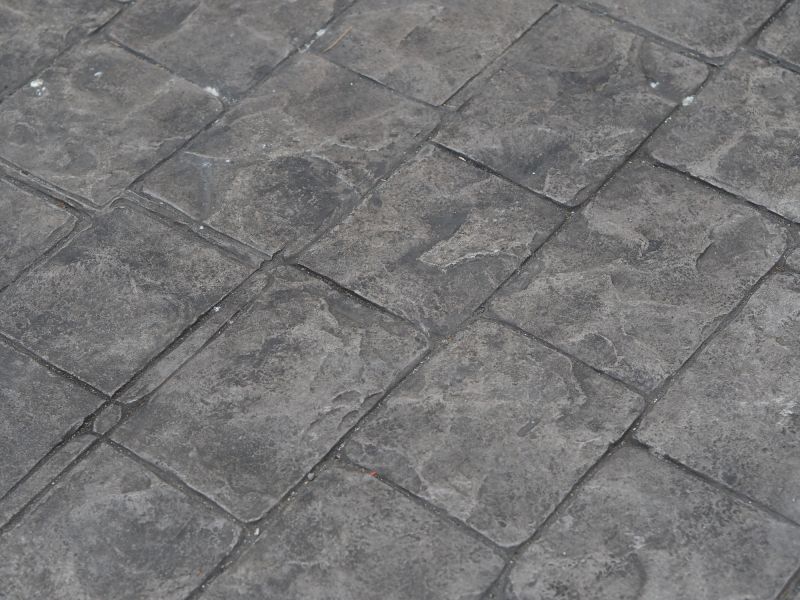
Spring offers moderate temperatures ideal for stamping projects, ensuring proper curing and color development.
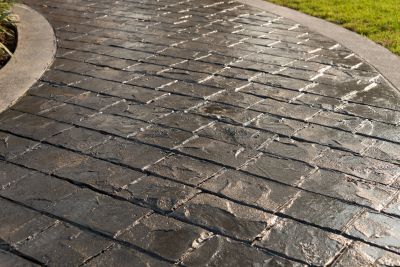
Early fall provides cooler weather with low humidity, suitable for long-lasting results.
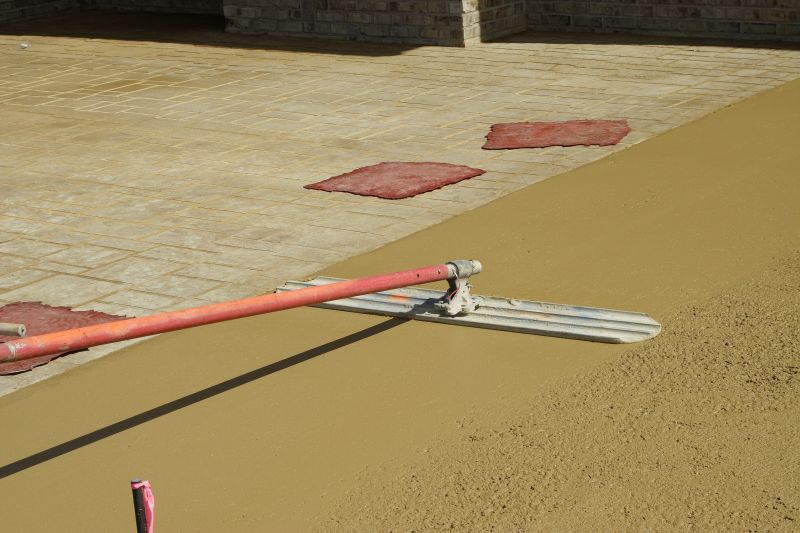
Clear, dry days with mild temperatures are optimal for stamped concrete work.
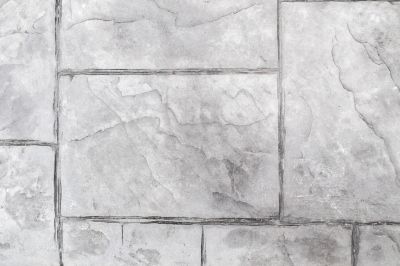
Ways to make Stamped Concrete Service work in tight or awkward layouts.
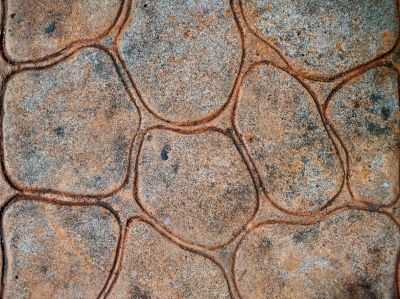
Popular materials for Stamped Concrete Service and why they hold up over time.
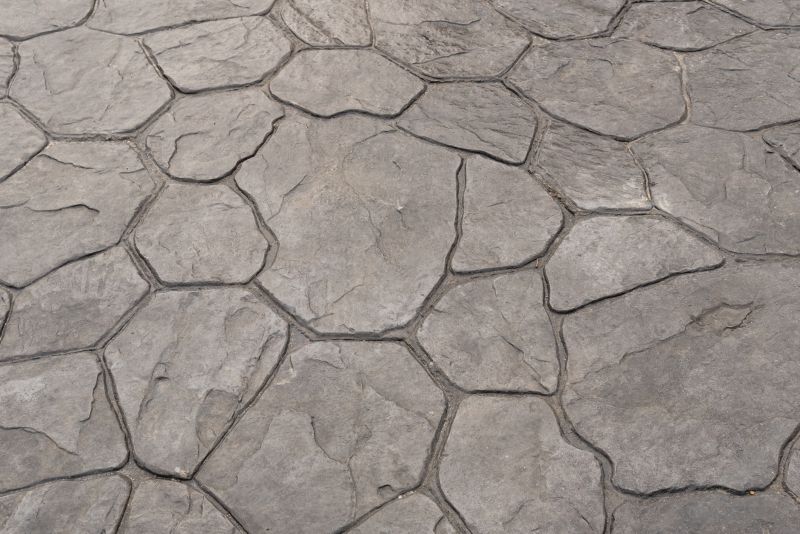
Simple add-ons that improve Stamped Concrete Service without blowing the budget.
| Season | Optimal Conditions |
|---|---|
| Spring | Mild temperatures, low humidity, dry weather |
| Summer | Early morning or late evening work recommended to avoid heat |
| Fall | Cool temperatures, low humidity, stable weather |
| Winter | Not recommended due to cold temperatures and potential for frost |
| Late Spring/Early Fall | Ideal periods for installation |
Stamped concrete service involves imprinting patterns and textures onto freshly poured concrete surfaces, creating decorative and durable finishes. The process includes pouring, coloring, stamping, and sealing, resulting in surfaces that mimic natural stone, brick, or other materials. Proper timing ensures the concrete cures correctly, preventing issues such as cracking or uneven patterns. Advances in coloring techniques and stamping tools have expanded design possibilities, making stamped concrete a versatile choice for patios, walkways, and driveways.
Statistics indicate that stamped concrete can last for decades when installed under optimal conditions, with proper maintenance. Its cost-effectiveness and customizable appearance make it a popular choice for residential and commercial projects. The installation process typically takes a few days, depending on the size and complexity of the project, with weather playing a critical role in scheduling.
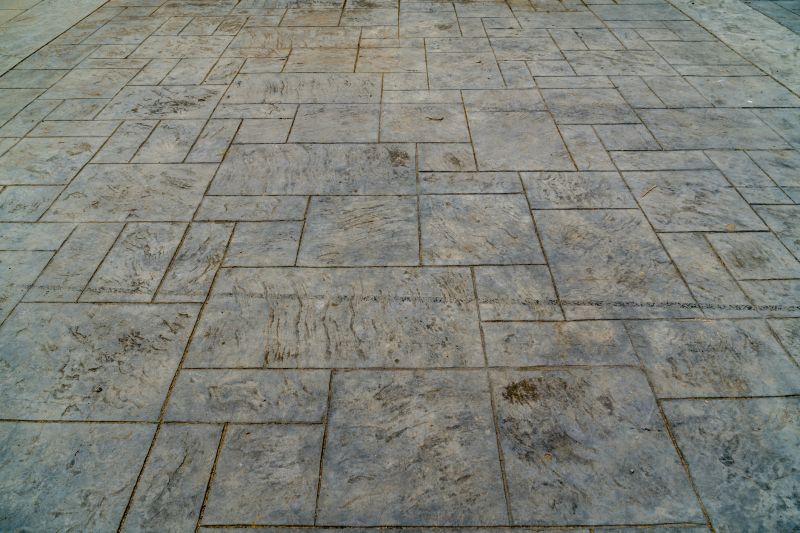
A detailed pattern mimicking natural stone enhances curb appeal.
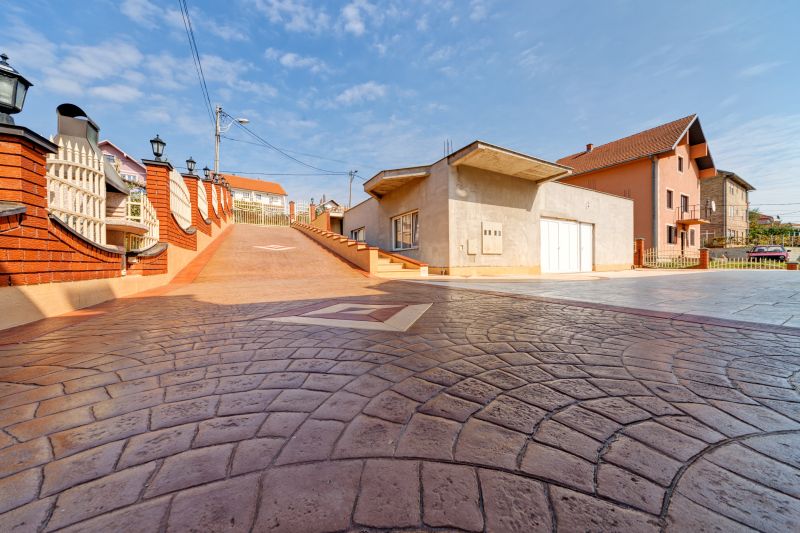
Vibrant colors combined with textured patterns create a striking entrance.
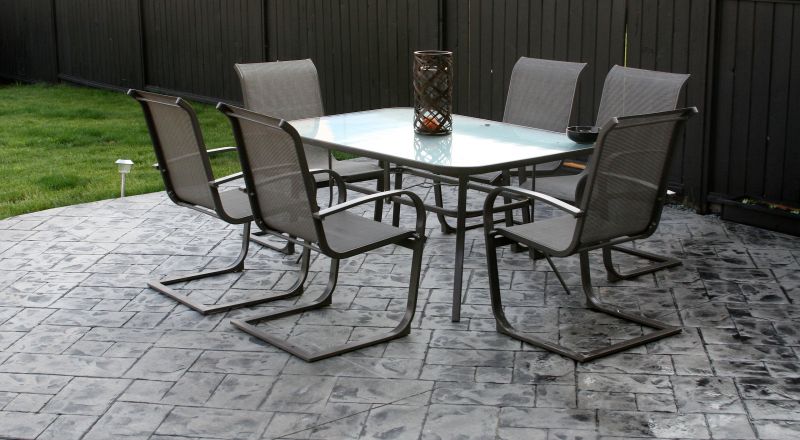
A durable and attractive outdoor living space.
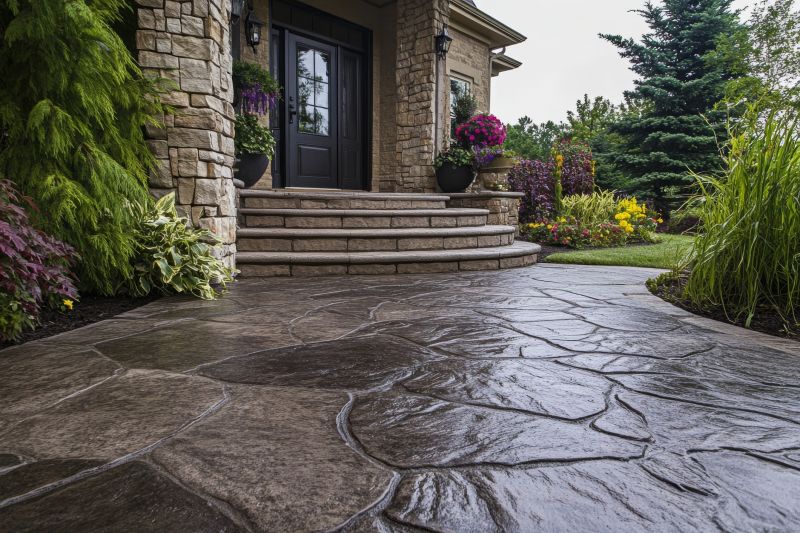
Enhances pathways with stylish patterns and colors.
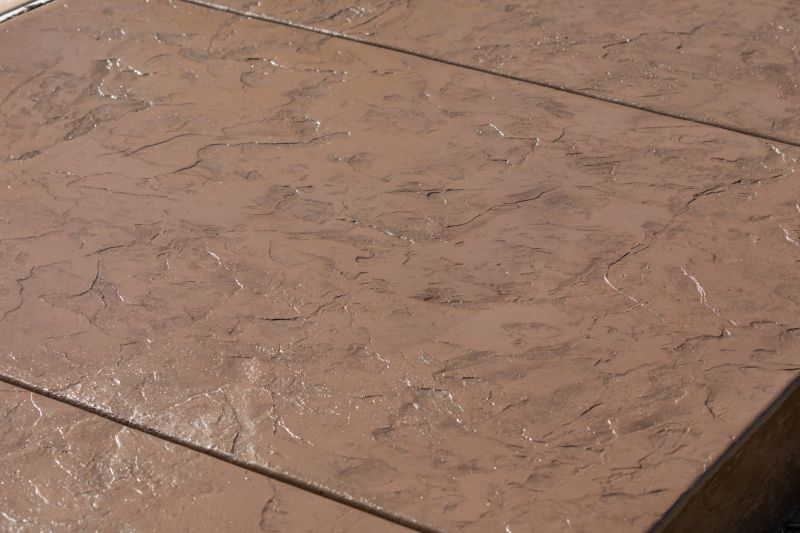
High-end options that actually feel worth it for Stamped Concrete Service.
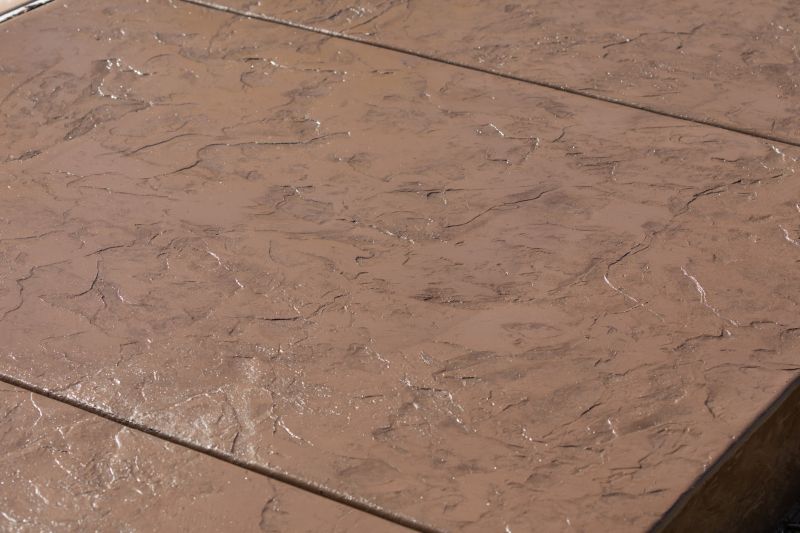
Finishes and colors that play nicely with Stamped Concrete Service.
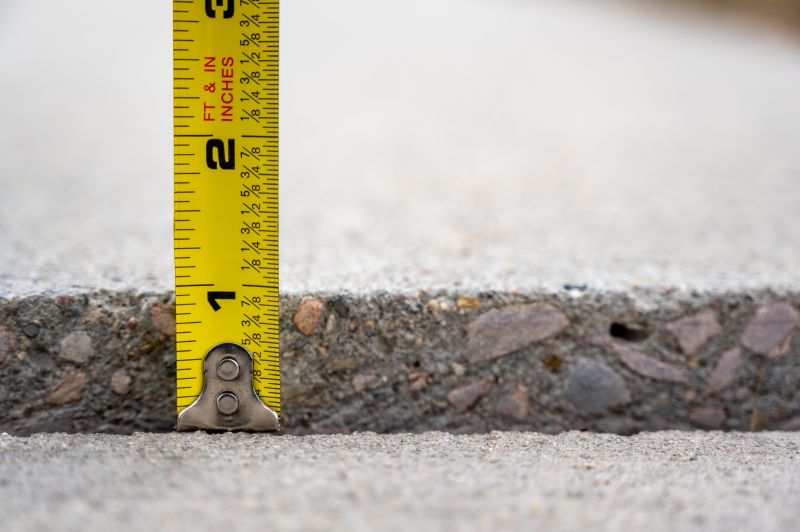
Little measurements that prevent headaches on Stamped Concrete Service day.
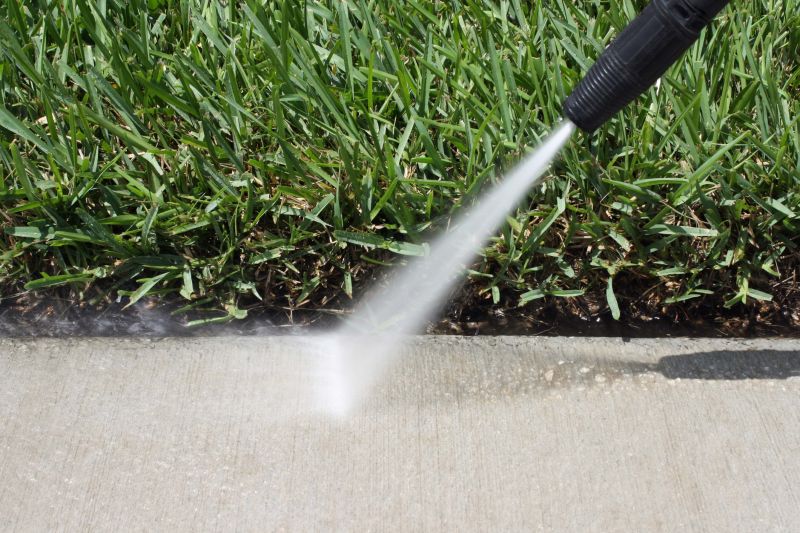
A 60-second routine that keeps Stamped Concrete Service looking new.
Interested in enhancing property aesthetics with stamped concrete? Filling out the contact form can provide detailed information and scheduling options tailored to specific project needs. Proper timing and planning are essential for achieving the best results and ensuring the longevity of the stamped surface.